Product Description
What Are Pneumatic Tools?
Pneumatic (air-powered) tools are driven by compressed air from an air compressor, offering a high power-to-weight ratio, improved safety (no electric sparks), and cost-effectiveness. Commonly used across construction, automotive, manufacturing, and assembly industries, they operate via internal pneumatic motorseither linear or rotary
Key Specifications for Pneumatic Tools
1. Air Pressure (PSI/bar)
The force at which air is delivered. Common operating pressures range between 80120 PSI (5.58.3 bar) for many tools
2. Air Consumption (CFM or L/min)
Specifies how much air the tool uses to operate efficiently, typically in CFM (cubic feet per minute) or L/min. Determines compressor capacity needs
3. Free Speed (RPM)
Rotational speed when unloaded, usually listed in product tech specs. Important for tasks requiring high-speed operation
4. Torque (for impact wrenches)
Measured in ft-lbs or Nm. For instance, impact wrenches typically deliver 2001000 ft-lbs (2701356 Nm) at 90120 PSI
5. Weight and Size
Influences operator fatigue and tool handling:
-
Small wrenches weigh around 1.3 kg
-
models weigh about 45 lbs (1.82.3 kg)
-
Heavy-duty and 1 wrenches can weigh up to 11 lbs (5 kg)
6. Inlet Size & Thread Type
Ensure proper compatibility with hoses:
-
Common thread standards: NPT (America), PT (Asia), BSP (Europe)
-
Never mix thread types to avoid leakage
7. Hose Diameter
Manufacturers recommend appropriate hose sizes (in mm or inches) to ensure optimum performance
8. Noise Levels
Though not always listed, typical levels range from 70110 dB depending on the tool type
9. Durability
Often rated by expected cyclesimpact wrenches may last 10,000 to 50,000 cycles, while nail guns may endure 50,000 to 100,000 cycles
10. Certifications (India-specific)
In India, tools may carry the ISI mark under BIS certification (IS 5651:1987) to confirm steel quality and safety compliance
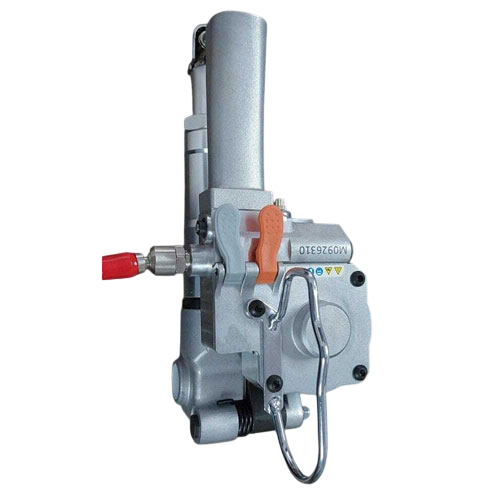
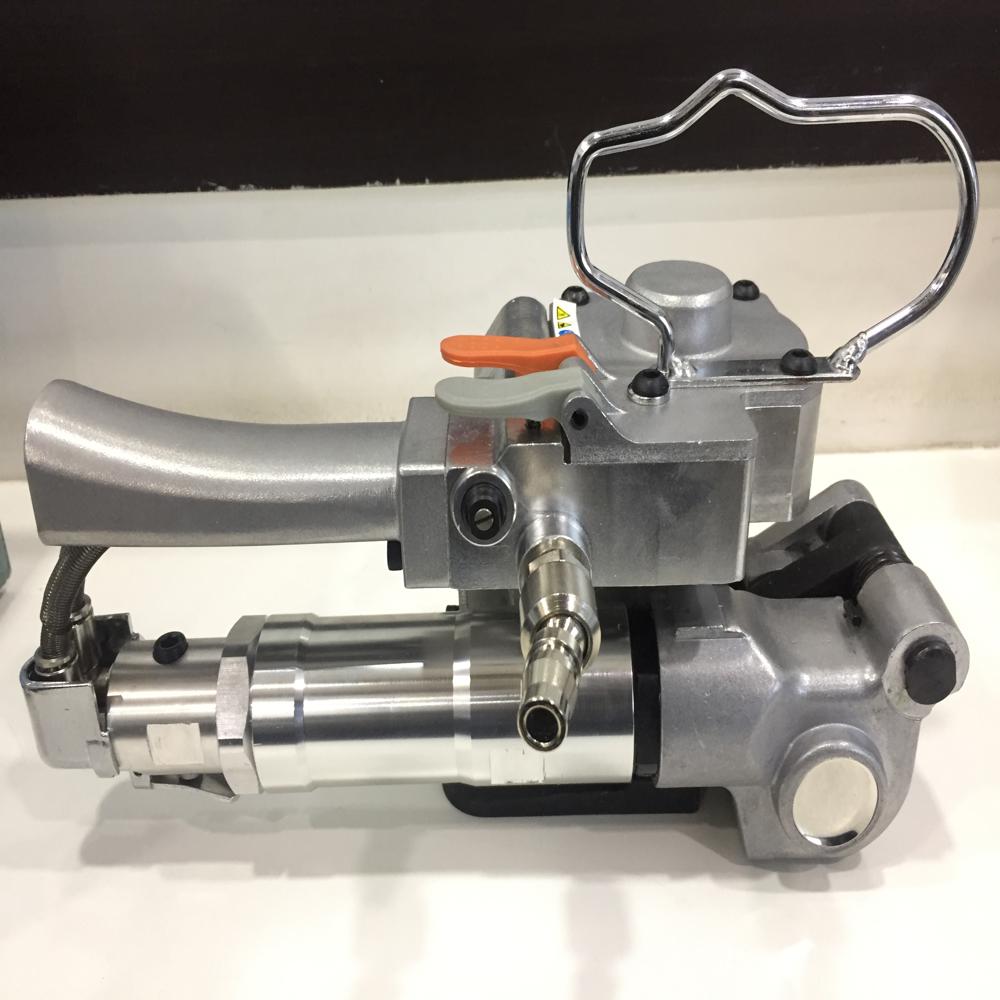
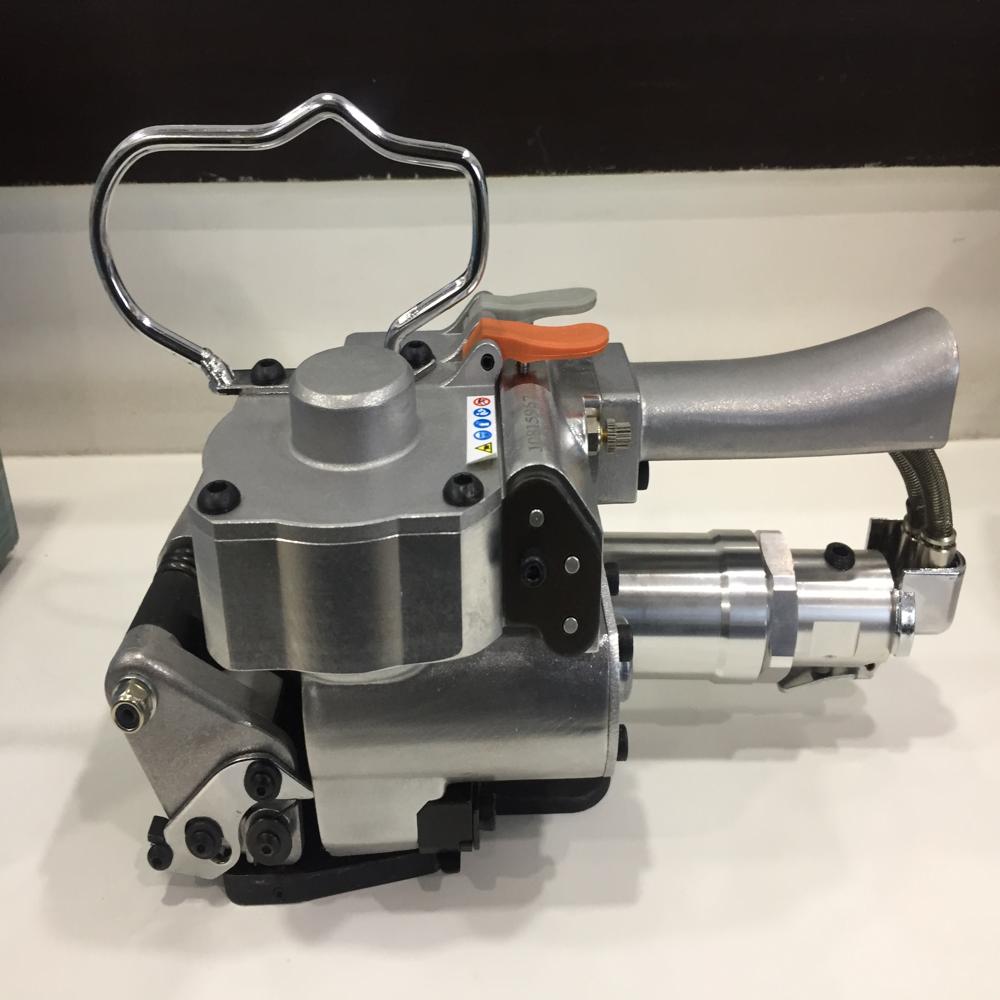
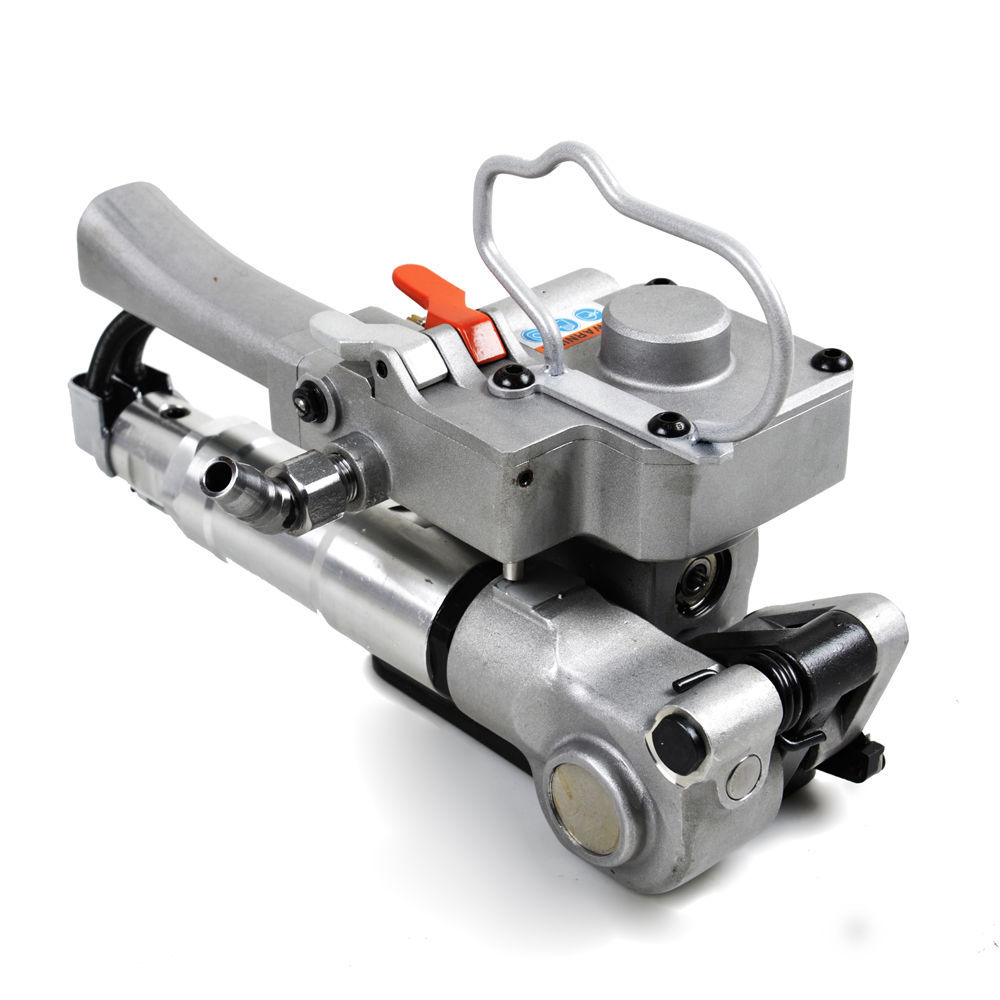
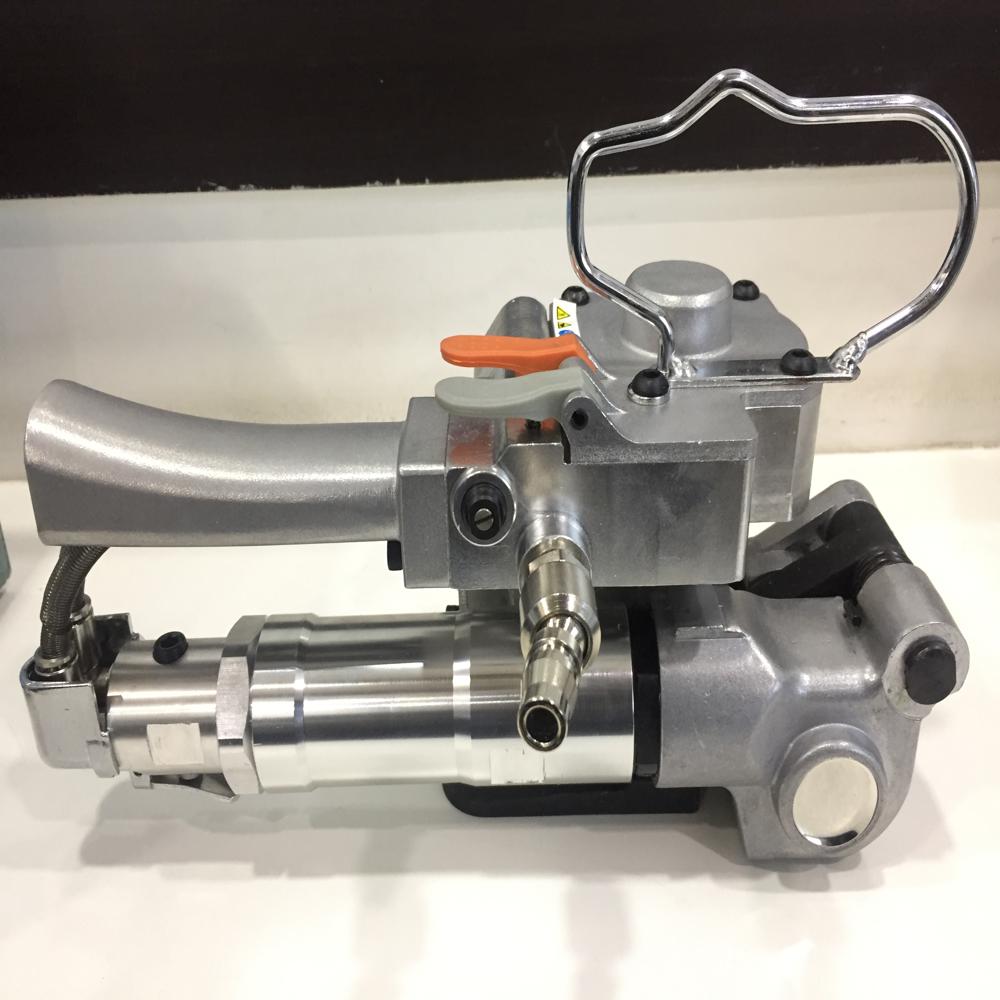
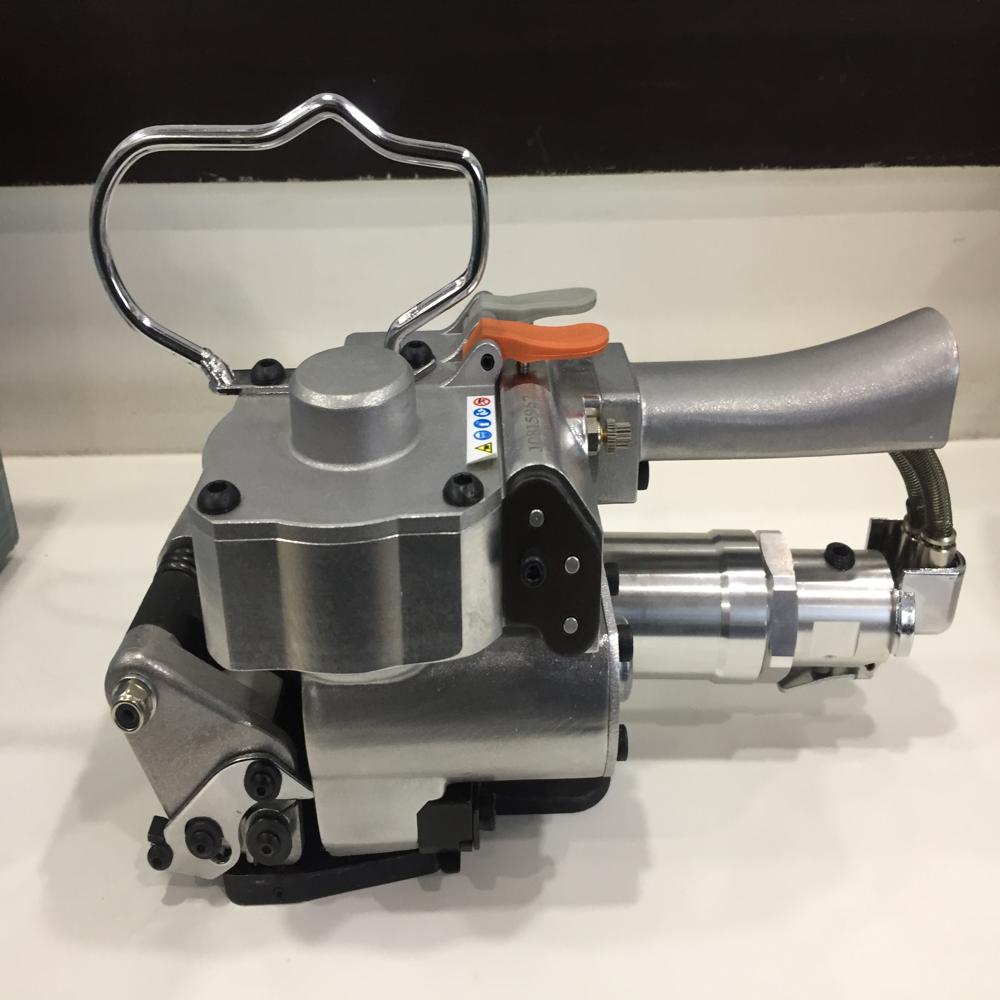
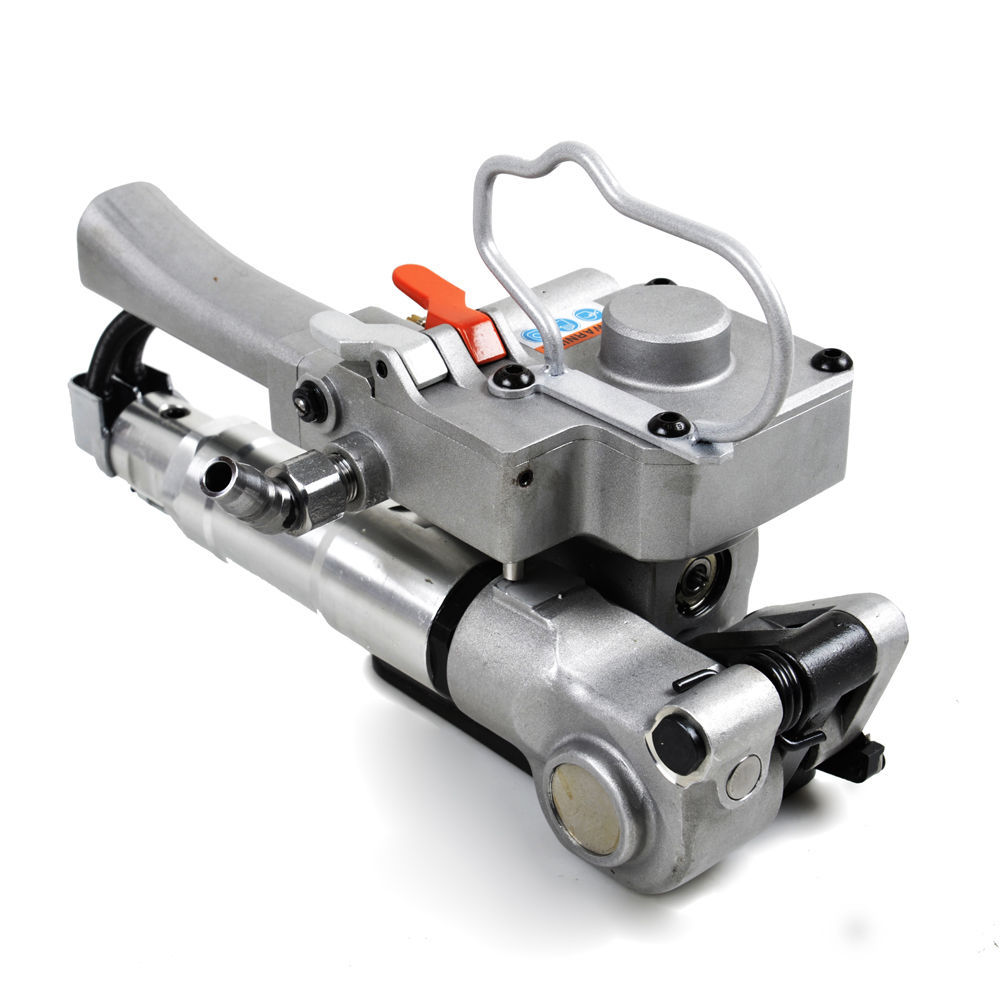
Durable Construction and DesignCrafted from high-quality steel and finished with an aluminum coating, the PET-PP Pneumatic Strapping Tool stands up to rigorous packaging demands. Its water-resistant build and eco-friendly materials offer both sustainability and lasting performance, making it suitable for use in warehouses, distribution centers, and factories.
Effortless Packaging ProcessWith a 3-inch width and thickness, this pneumatic tool is perfectly sized for securely strapping a variety of box packs. Its lightweight design (1 kg) ensures easy handling, reducing operator fatigue during extended use and providing a versatile solution for all your packaging needs.
FAQ's of PET-PP Pneumatic Strapping tool:
Q: How is the PET-PP Pneumatic Strapping Tool used in box packing applications?
A: This strapping tool securely wraps and tightens PET or PP straps around boxes, making it ideal for box packing tasks in warehouses and logistics centers. The pneumatic mechanism streamlines the strapping process, ensuring a tight and reliable seal every time.
Q: What materials and features make this tool suitable for packaging?
A: Made with a durable steel body and coated in aluminum, the tool is water-resistant and eco-friendly. Its 3-inch width and sturdy design ensure that it can handle rigorous packing tasks without compromising performance.
Q: When is it best to use this pneumatic strapping tool?
A: This tool is best used during the packaging phase of logistics and shipping, especially when multiple boxes require strong, consistent strapping. Its lightweight form and efficient pneumatic operation help speed up the packaging process.
Q: Where can this tool be purchased in India?
A: You can acquire this strapping tool through authorized distributors, exporters, manufacturers, suppliers, and wholesalers across India. Many companies offer it either online or through direct sales channels.
Q: What is the process of strapping with this tool?
A: Begin by positioning the strap around the box, insert both ends into the tool, and trigger the pneumatic mechanism. The tool will automatically tension, seal, and cut the strap, securing your package with minimal effort.
Q: What are the key benefits of using this strapping tool for box packing?
A: Key benefits include increased strapping speed, secure and consistent seals, water resistance, and an eco-friendly build. The lightweight, ergonomic design also minimizes fatigue for operators during repetitive tasks.
 Gujarat, India






 Send Inquiry
 Send Inquiry
 Send SMS